


May 24, 2026 - By Caleb Hampton - Fortunes went from bad to worse this year for California cherry growers.
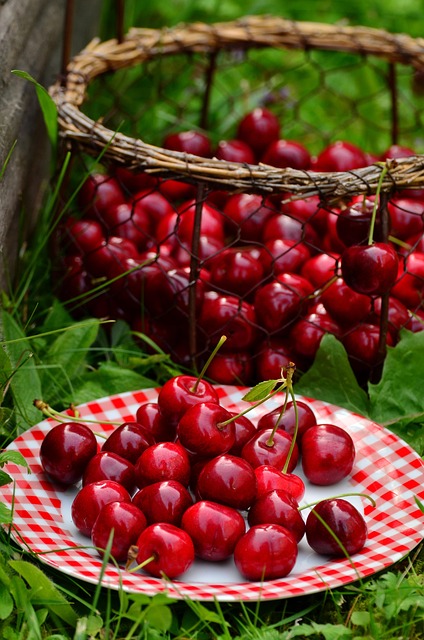 Each year, growers in the state harvest the nation’s first cherries during a short window, usually from late April to early June.
Image by congerdesign from Pixabay
This year, an early heat wave impacted fruit set in many orchards. Then, rainstorms in April and May battered the crop.
“It was like getting knocked down and then getting kicked,” said Bill Stokes, who grows cherries in San Joaquin County.
Growers in the county, which leads California in cherry production, lost 63% of their crop and suffered financial losses of $174 million, according to a May 11 letter from San Joaquin County Agricultural Commissioner Kamaljit Bagri to the California Office of Emergency Services.
Bagri requested the county be considered for a disaster declaration, which would make growers eligible for low-interest federal loans and other assistance.
“These weather events occurred during a critical stage of fruit growth and harvest and resulted in excessive suturing and splitting of cherries, as well as a substantial reduction in the expected shelf life of packed fruit leaving local packing facilities,” Bagri said in the letter.
California’s other cherry growing regions were also affected.
“Rain basically wiped out the crop,” said Lance Jackson, who grows cherries in Tulare County. “It’s a pretty short story.”
Chris Zanobini, executive director of the California Cherry Board, estimated statewide production will end up fewer than 5 million 18-pound boxes. During the past five years, the state packed 8 million boxes a year on average.
Zanobini said the historic heat event in March caused some cherries to ripen more than two weeks earlier than usual. He said the state’s harvest began April 12, and it could end as early as May 25.
“We had a very early crop,” he said.
After cherries reach a certain level of maturity, growers said, too much rain can cause them to split, leading to decay. They said the early ripening this year made the fruit vulnerable during spring rains.
“The timing of the storms was just perfect to take us out,” Jackson said.
California is second to Washington state in U.S. cherry production. Since 2000, the Golden State’s bearing acreage doubled, rising from 19,000 to 39,000, according to the U.S. Department of Agriculture.
Tony Guerriero, grower relations and farm manager at Lodi-based packer M&R Co., which sources cherries from across California, said this year’s crop was the worst he had seen in three decades working with cherries in the state.
“It’s pretty devastating,” Guerriero said. “There’s no real bright spot. It rained up north. It rained down south. There was just nowhere that was unscathed.”
He said the heat during bloom was especially damaging to fruit set in Santa Clara and San Benito counties, while the rainstorms affected orchards statewide.
Last week, growers were still assessing which orchards may be worth harvesting.
Stokes said paying a harvest crew pencils out only if at least 70% of the fruit clears quality control at a packinghouse. In a good year, more than 95% of his cherries get packed. This year, he estimated less than 30% of his fruit was marketable. Aside from a U-pick Stokes opened May 16 in Galt, he said he may not pick anything.
Even with many orchards going unharvested, Zanobini said efforts to salvage some fruit were creating “a lot of extra work” for packers. He said packinghouses were slowing their sorting lines to filter out damaged fruit, which by some estimates was about half of it.
“The quality impacts from the rain just make it a lot more challenging at the packinghouse,” he said.
Growers and packers said the limited supply of cherries had not increased prices. On the contrary, they said because price tiers are tied to quality grades, they were getting less for the fruit this year.
Cherry growers rely heavily on selling quality fruit to the fresh market. Last year, 90% of California’s crop was sold fresh, according to cherry board data. The rest was used for dried fruit and other products.
Many of the state’s premium grade cherries are exported to countries such as Canada, South Korea and Japan. In 2024, exports accounted for 30% of shipments and more than half of crop receipts, which totaled $297 million, according to USDA.
Industry experts said less of the crop was likely to be exported this year due to the shortage of high-quality fruit.
In addition to San Joaquin County’s request for a disaster declaration, Sacramento County Agricultural Commissioner Chrisandra Flores said Monday the county will request a disaster declaration, with surveyed growers in the county losing between 15% and 100% of their crops.
Kern County Agricultural Commissioner Glenn Fankhauser said last week the county was in the process of contacting growers and would request a disaster declaration should crop losses exceed 30%, the minimum threshold.
Agricultural commissioners in Fresno and Tulare counties said they had not received grower reports to justify such a request, while other counties did not respond to inquiries from Ag Alert®.
For many growers, this year was the second year running they lost much of their crop. Last year, poor fruit set caused by untimely heat and rain during bloom resulted in losses of $101 million in San Joaquin County, according to a disaster declaration request submitted last May, which the county said was never approved.
Stokes and Jackson said crop insurance may help them recover some of their farming costs, though it won’t compensate the entire value of the crops they lost.
“It helps you get the bills paid, and you can live to fight another day,” Jackson said.
Caleb Hampton is an editor at Ag Alert. He can be reached at champton@cfbf.com.
The California Farm Bureau works to protect family farms and ranches on behalf of more than 26,000 members statewide and as part of a nationwide network of 5.8 million Farm Bureau members.
Source: CFB
