


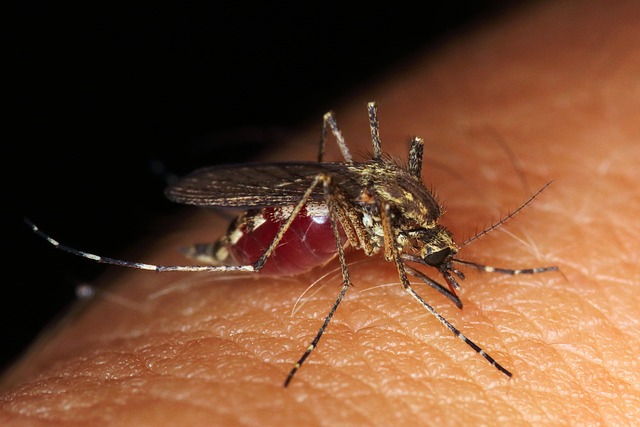
Image by Pete from Pixabay
CDPH Urges Californians to Take Steps to Protect Against Mosquito Bites
What You Need to Know: West Nile virus (WNV) activity in California is at a five-year high. WNV spreads to humans and animals through the bite of an infected mosquito. To protect themselves from WNV, Californians should take steps to prevent mosquito bites.
Related: With West Nile Virus at Highest Levels Since 2004, CDC Encourages Americans to Stay Mosquito Bite-Free During America's 250th Independence Day Holiday Weekend
August 21, 2026 - Sacramento – The California Department of Public Health (CDPH) is seeing the highest levels of West Nile virus (WNV) activity in five years. As of August 14, CDPH has reported 30 human cases of WNV in California, including 3 fatalities, from 13 counties this year. That is higher than the 5-year average number of human cases typically reported by this point in the year. Every year in the United States, WNV activity typically increases across the country during the summer months into fall. According to the CDC, WNV cases have been reported in numerous U.S. states in 2026.
“West Nile virus can be fatal, particularly for the elderly and immunocompromised," said CDPH Director and State Health Officer Dr. Erica Pan. “August and September are peak periods of West Nile virus transmission in the state, so we urge everyone to take precautions to protect themselves against mosquito bites."
Signs of WNV activity have been detected in 32 California counties through surveillance of mosquitos, dead birds, sentinel chickens, and horses. The percent of dead birds and mosquito samples testing positive are also above the 5-year average. To date, over 24% of dead birds identified through surveillance have tested positive, compared to the 5-year average of 13%. Currently, 8 out of 1000 mosquitoes are testing positive for WNV, compared to the 5-year average of 5 out of 1000.
West Nile virus is influenced by many factors, including climate, the number and types of birds and mosquitoes in an area, and the level of WNV immunity in birds. Infected mosquitoes transmit West Nile virus to humans and animals through their bites. While the risk of serious illness for most people is low, some individuals can develop serious neurologic illnesses, such as encephalitis or meningitis, which are potentially fatal.
Some people have a higher chance of getting sick, developing neurological complications, or even dying from WNV. Risk factors include being 60 years of age and older; having diabetes, hypertension, or chronic kidney disease; or being on medication that suppresses your immune system. The CDC recently issued a health alert highlighting that patients on a certain group of immunosuppressive medications have a much higher risk of experiencing long-term complications or dying from WNV.
What Californians Can Do:
CDPH recommends that individuals protect against mosquito bites and WNV by practicing the “Three Ds":
- DEET– (Not to be confused with DDT) Apply an EPA-registered insect repellent, containing an active ingredient such as DEET, picaridin, oil of lemon eucalyptus or IR3535, according to label instructions. Repellents keep the mosquitoes from biting you. When used as directed, DEET is safe for use on pregnant or breastfeeding women and children.
- Dawn and Dusk– Mosquitoes that transmit West Nile Virus usually bite in the early morning and evening, so it is important to wear loose-fitting long-sleeved shirts and pants and repellent if outside during these times. Make sure your doors and windows have tight-fitting screens to keep out mosquitoes. Repair or replace screens that have tears or holes.
- Drain – Mosquitoes lay their eggs on standing water. Eliminate all sources of standing water on your property by emptying flowerpots, old car tires, buckets, and other containers. If you know of a swimming pool that is not being properly maintained, please contact your local mosquito and vector control agency.
Help Track West Nile Virus
Birds can carry West Nile virus (WNV). Some types of birds can get very sick and die from it, so reporting dead birds can help track where the virus is spreading. Californians should report dead birds on the West Nile virus website or by calling the toll-free number 1‑877‑WNV‑BIRD (968‑2473).
People who take medications that weaken their immune system should talk with their doctor about their risk for serious illness from WNV and take extra care to follow recommended safety steps.
For more information on West Nile Virus visit California's West Nile virus website.
Source: CDPH
