


July 6, 2026 – Yosemite National Park officials announce results of the Grizzly Giant check-up.
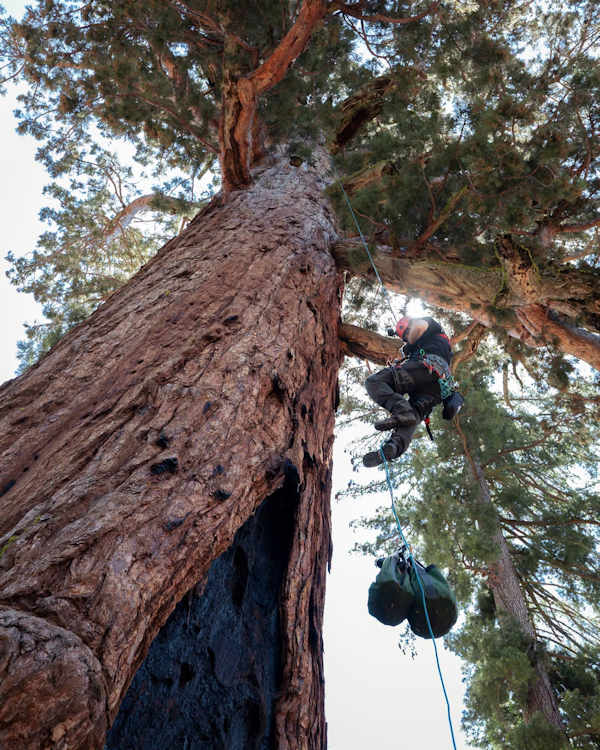
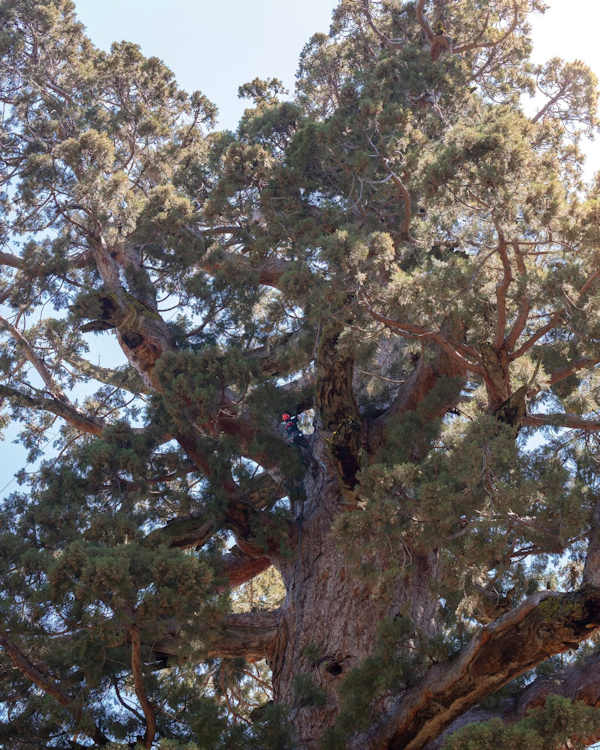
Keep your eyes to the sky! Wait… is that… a human? On the Grizzly Giant?!
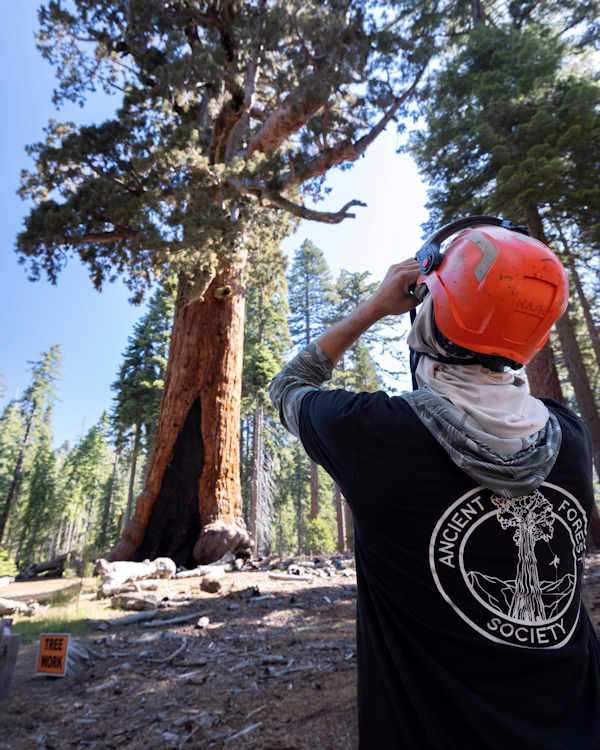
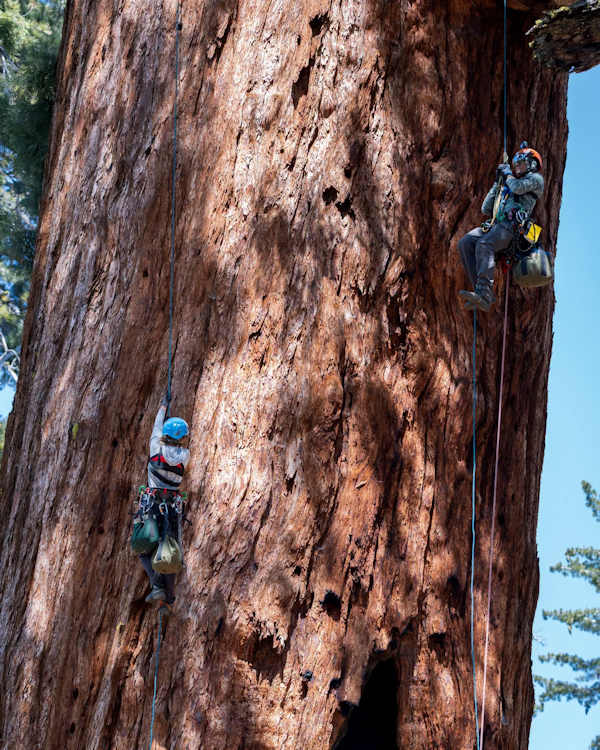
Last month on June 16 and 17, Yosemite National Park collaborated closely with Yosemite Conservancy and the Ancient Forest Society to conduct a “doctor’s health checkup” of sorts on the oldest known and most iconic tree in the park.
The Grizzly Giant is a 3,000-year-old giant sequoia tree found in the Mariposa Grove. This tree is older than the Roman Empire, taller than the Statue of Liberty, and has a massive branch that makes it visually stand out from any other tree in Yosemite. This tree has been climbed by people only three times in recorded history.
The National Park Service partnered with the Ancient Forest Society to search for evidence of potential sequoia bark beetles in the canopy of the Grizzly Giant and collect canopy foliage to do further studies on the tree’s overall health by testing how stressed the tree might be from competition over water from nearby trees. The long-term health of an old tree is important, similar to how the long-term health of a human is important.
So, what are the final results? We are happy to report that the Grizzly Giant is doing well and shows signs that it will continue to be healthy into the future!
This is all thanks to the careful human stewardship of the trees through active involvement of Yosemite’s staff, scientists, and the park’s seven traditionally associated tribes. This matters most especially after the recent devastating losses in the Mariposa Grove from the Washburn Fire in 2022 as the park aims to mitigate future losses in the Mariposa Grove. This is being done through regular monitoring and inspections of the trees, while also conducting prescribed burn and restorative thinning work in the grove.
In addition to checking the overall health of the tree, we also learned one of the most interesting findings was confirmation that a sugar pine is growing out of the canopy of the Grizzly Giant!
A huge thank you to everyone involved for making this historic research smooth and safe.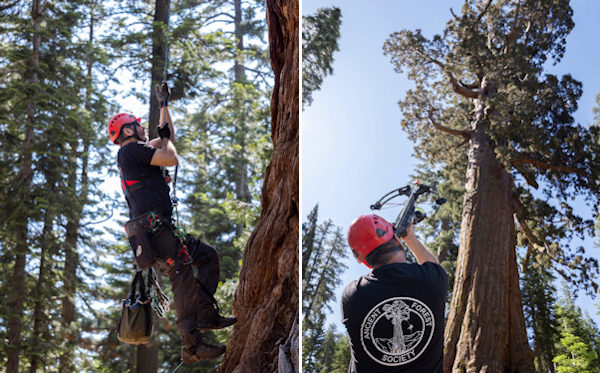
Source & photos: NPS
